Moisture Control Works and Improvement
Learn everything about Moisture Control from home improvement expertsHome moisture control: humidity, mold, condensation, dehumidifiers, ventilation and waterproofing guides.

Home moisture control: humidity, mold, condensation, dehumidifiers, ventilation and waterproofing guides.
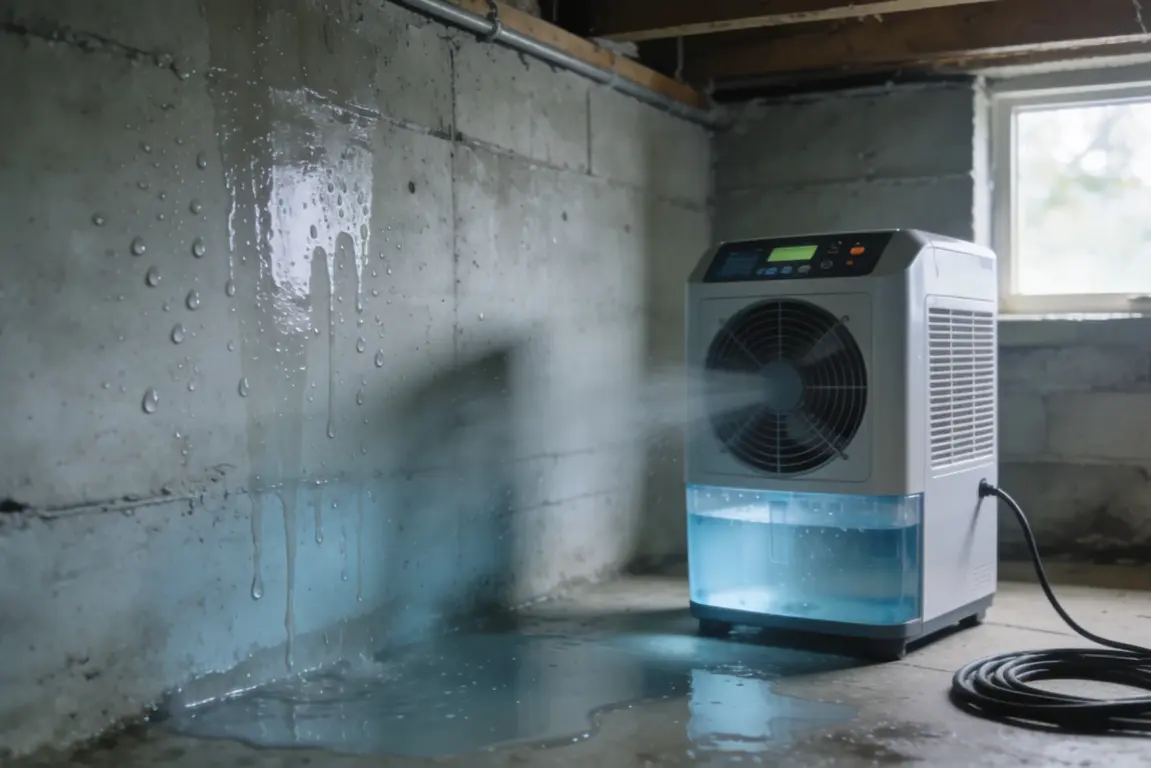
If your house smells musty, feels damp, or you’ve spotted mold creeping along a baseboard, you don’t need one giant article. You need the right fix for what’s actually happening in your specific room. I’ve pulled every moisture guide we’ve written into one place and sorted it by what you’re dealing with, not by what […]
Continue readingThe short answer: You can remove most bathroom mold yourself with a stiff brush, some cleaning solution, and 30 minutes of work. The mold will come back unless you fix the ventilation problem and dry the shower after every use. If the patch is larger than a dinner plate or you have asthma, allergies, or […]
Continue reading
Updated July 2026. You can reduce humidity in your home without a dehumidifier by doing three things: move damp air out (exhaust fans and windows), stop making so much moisture indoors (showers, cooking, drying laundry), and soak up what is left with cheap calcium-chloride absorbers. Aim for an indoor relative humidity of about 30 to […]
Continue reading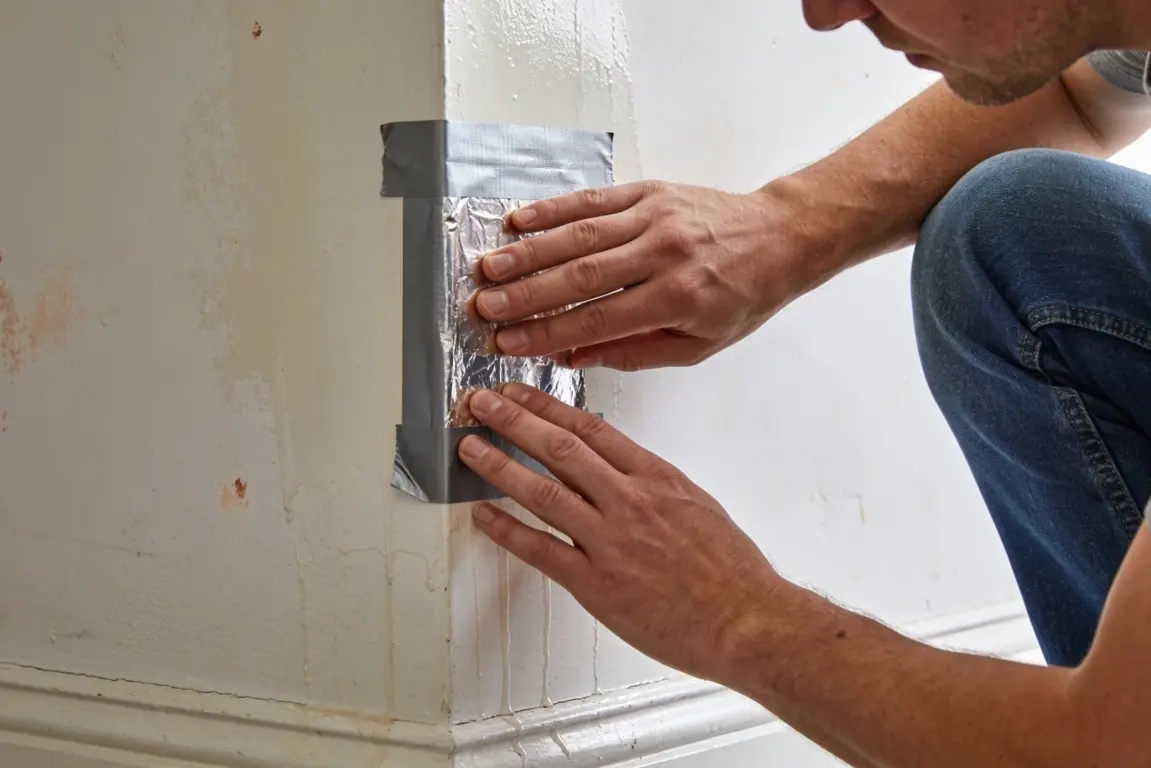
Updated July 2026 A damp patch, a musty smell, or a ring of mold on drywall usually comes from one of three places: condensation (moisture already in the air settling on a cold surface), a leak (water getting in from a pipe, roof, or window), or rising damp (groundwater moving up through a foundation wall). […]
Continue reading
Updated June 2026. A musty smell after rain usually means moisture is getting somewhere it shouldn’t — roof, walls, basement, or crawl space. The smell itself comes from mold spores or actinobacteria (a soil bacteria that activates in damp conditions and smells distinctly earthy) triggered by rising humidity. Here are the 8 most common causes […]
Continue readingAs an Amazon Associate we earn from qualifying purchases.