
8 Excellent Alternatives To Drywall In The Basement (2026 Guide)
By: John Ledford | Date Posted: July 10, 2026
Table of Contents
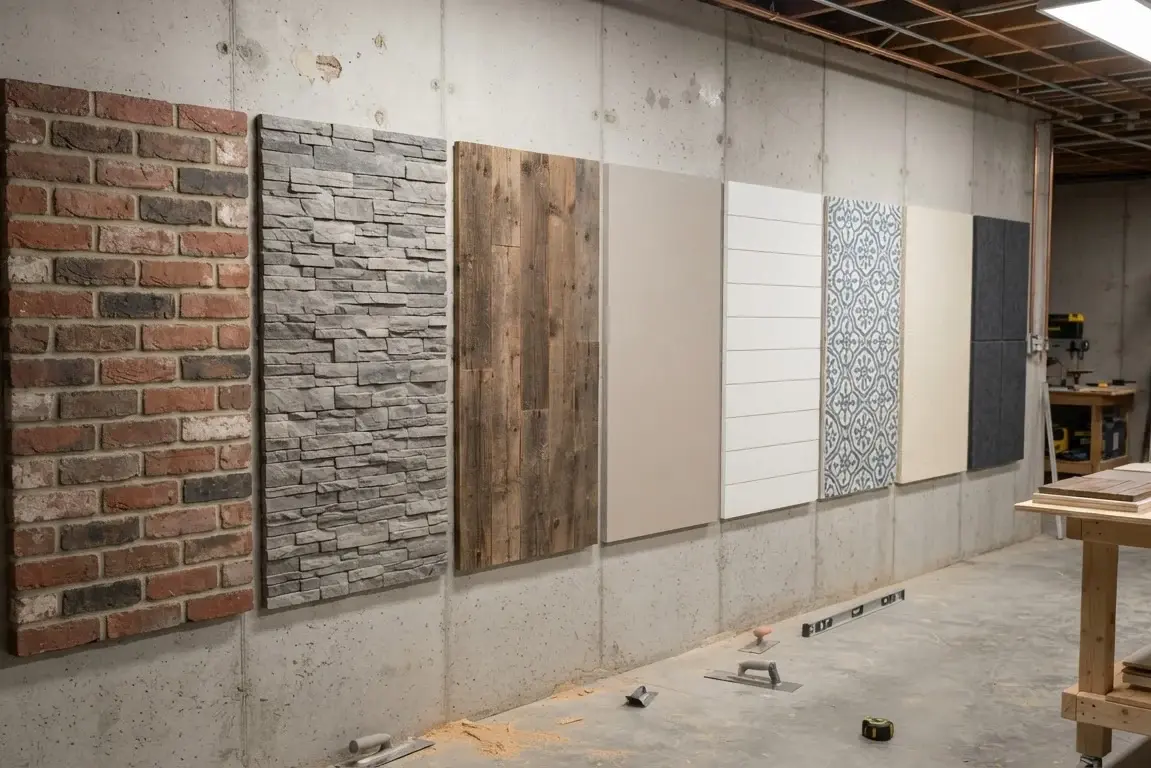
Updated July 2026. Drywall is the most common wall finishing material, but it’s not the only option. Depending on your needs, you may want to consider alternatives like plywood, beadboard, shiplap, or PVC panels. Each material has its own advantages and disadvantages. I’ve used several of these alternatives in different projects, and the best choice depends on your specific requirements.
Below I’ll explain the most popular drywall alternatives and their best uses.
1. Plywood
Plywood is a durable and affordable alternative to drywall. It’s available in different thicknesses and grades. Plywood is more resistant to impact than drywall and can be painted or stained. Plywood is a good choice for garages, workshops, and basements where durability is more important than a smooth finish. The cost of plywood is about $30 to $60 per sheet. The installation is similar to drywall, with sheets being fastened to the wall studs. The seams between sheets can be covered with trim strips or left exposed for a rustic look. Plywood can be painted, stained, or left unfinished. The main disadvantage of plywood is that it’s not as fire-resistant as drywall. Check your local building codes before using plywood as a wall finish.
2. Beadboard
Beadboard is a type of paneling with vertical grooves that create a classic, decorative look. It’s available in wood, MDF, and PVC. Beadboard is commonly used in bathrooms, kitchens, and mudrooms. The cost of beadboard is about $20 to $50 per sheet. The installation is similar to drywall, with sheets being fastened to the wall studs. Beadboard can be painted any color. The vertical grooves add visual interest and can make a room look taller. The main disadvantage of beadboard is that it’s not as durable as drywall. The grooves can collect dust and dirt. Beadboard is best used as an accent wall or in areas where the decorative look is desired.
3. Shiplap
Shiplap is a type of wooden board with a rabbet joint that creates a tight seal between boards. It’s commonly used in farmhouse-style homes. Shiplap is available in wood and MDF. The cost of shiplap is about $3 to $8 per linear foot. The installation involves attaching individual boards to the wall studs. The boards can be installed horizontally or vertically. Shiplap is typically painted white or left natural. The main disadvantage of shiplap is that it’s more expensive than drywall. The installation is also more labor-intensive because individual boards need to be installed. Shiplap is best used as an accent wall or in a room where the farmhouse look is desired.
4. PVC Panels
PVC panels are a waterproof alternative to drywall. They are made of rigid PVC plastic and are available in different sizes and styles. PVC panels are commonly used in bathrooms, basements, and other areas where moisture is a concern. The cost of PVC panels is about $2 to $5 per square foot. The installation involves attaching the panels to the wall studs with adhesive or screws. The panels are lightweight and easy to cut with a saw or utility knife. The seams between panels can be covered with trim strips. The main disadvantage of PVC panels is that they are not as fire-resistant as drywall. Check your local building codes before using PVC panels as a wall finish. PVC panels are also not as impact-resistant as drywall.
5. Cement Board
Cement board is a durable, water-resistant alternative to drywall. It’s made of cement and fiberglass mesh and is commonly used in bathrooms, showers, and kitchens. Cement board is also used as a base for tile installation. The cost of cement board is about $15 to $30 per sheet. The installation is similar to drywall, but cement board is heavier and more difficult to cut. A carbide-tipped blade or shears are needed for cutting. The seams between sheets are taped and covered with thin-set mortar. The main disadvantage of cement board is that it’s heavy and difficult to work with. It’s also more expensive than drywall. Cement board is best used in areas where moisture resistance is required.
Frequently Asked Questions
What is the cheapest alternative to drywall?
Plywood is the cheapest alternative to drywall. It costs about $30 to $60 per sheet and is durable and easy to install. Beadboard and shiplap are more expensive options.
What is the best alternative to drywall for a basement?
PVC panels are a good choice for basements because they are waterproof and resistant to moisture. Cement board is another option but is more expensive and difficult to install.
Can I use plywood instead of drywall?
Yes, plywood can be used instead of drywall. It’s more durable and impact-resistant. However, it’s not as fire-resistant. Check your local building codes before using plywood as a wall finish.
What is the easiest alternative to drywall to install?
PVC panels are the easiest to install because they are lightweight and can be cut with a utility knife. They can be attached to the wall with adhesive or screws.
Written by Mike, home improvement and building specialist. Updated July 2026.
6. Wood Planks
Wood planks are a natural and attractive alternative to drywall. They can be installed horizontally or vertically and can be painted or stained. Wood planks are commonly used in cabins, rustic homes, and accent walls. The cost of wood planks is about $3 to $10 per linear foot, depending on the type of wood. The installation involves attaching individual planks to the wall studs with nails or screws. The planks can be installed with gaps between them for a more rustic look or with tight seams for a more polished look. The main disadvantage of wood planks is that they are more expensive than drywall. The installation is also more labor-intensive. Wood planks require regular maintenance, such as painting or staining, to keep them looking good. Wood planks can also be affected by moisture and humidity, which can cause them to warp or crack. Wood planks are best used as an accent wall or in a room where the natural look of wood is desired.
7. Fabric Wall Panels
Fabric wall panels are a decorative alternative to drywall that can improve acoustics and add visual interest. They are made of fabric stretched over a frame and can be installed on the wall like tiles. Fabric wall panels are commonly used in home theaters, offices, and bedrooms. The cost of fabric wall panels is about $10 to $30 per panel. The installation involves attaching the panels to the wall with adhesive or clips. The panels can be arranged in a pattern or installed as a continuous surface. The fabric can be changed to update the look of the room. The main disadvantage of fabric wall panels is that they are more expensive than drywall. They can also collect dust and may be difficult to clean. Fabric wall panels are best used in areas where acoustics are important or where a soft, decorative look is desired.
8. Tin Ceiling Tiles
Tin ceiling tiles are a decorative alternative to drywall that can add a vintage look to any room. They are made of tin-plated steel and are available in different patterns. Tin ceiling tiles are commonly used in kitchens, dining rooms, and entryways. The cost of tin ceiling tiles is about $5 to $15 per square foot. The installation involves attaching the tiles to the ceiling with adhesive or nails. The tiles can be painted any color. The patterns add visual interest and can make a room look more elegant. The main disadvantage of tin ceiling tiles is that they are more expensive than drywall. The installation is also more labor-intensive because each tile needs to be individually installed. Tin ceiling tiles can also be noisy if the room has poor acoustics. Tin ceiling tiles are best used as an accent ceiling or in a room where the vintage look is desired.
9. Brick Veneer
Brick veneer is a thin layer of brick that can be installed on walls to create a brick look without the weight and cost of full brick. Brick veneer is available in real brick and faux brick panels. The cost of brick veneer is about $5 to $15 per square foot. The installation involves attaching the veneer to the wall with mortar or adhesive. Real brick veneer is more expensive and requires more skill to install. Faux brick panels are easier to install and are made of polyurethane or PVC. The panels are lightweight and can be cut with a utility knife. The main disadvantage of brick veneer is that it’s more expensive than drywall. The installation is also more labor-intensive, especially for real brick veneer. Brick veneer is best used as an accent wall or in a room where the brick look is desired.
Choosing the Right Drywall Alternative
The best drywall alternative for your project depends on several factors. Your budget is the most important factor. Plywood is the cheapest option, while fabric wall panels and tin ceiling tiles are the most expensive. The location of the room is another important factor. For bathrooms and basements, choose a moisture-resistant material like PVC panels or cement board. For living rooms and bedrooms, plywood, beadboard, or shiplap are good options. The desired look is another factor. Beadboard and shiplap provide a classic, decorative look. Wood planks provide a natural, rustic look. Brick veneer provides an industrial, urban look. The difficulty of installation is another factor. PVC panels and plywood are the easiest to install. Cement board and brick veneer are the most difficult. The fire resistance of the material is another important consideration. Check your local building codes before choosing a drywall alternative. Some materials may not meet the fire resistance requirements for certain rooms.
My Recommendation
Based on my experience with various wall finishing materials, I recommend plywood as the best all-around drywall alternative for most projects. It’s affordable, durable, and easy to install. For bathrooms and basements, PVC panels are the best choice because they are waterproof. For decorative accent walls, beadboard or shiplap are good options. For a natural, rustic look, wood planks are the best choice. For home theaters and offices, fabric wall panels are a good option. For a vintage look, tin ceiling tiles or brick veneer are good options. Whichever material you choose, make sure it meets your local building codes and is appropriate for the room where it will be installed.
Installation Tips for Drywall Alternatives
Here are some installation tips for working with drywall alternatives. Always measure the wall carefully before cutting the material. Measure twice and cut once. Use a level to make sure the material is installed straight. Use a stud finder to locate the wall studs. The material should be fastened to the studs for proper support. Use the appropriate fasteners for the material. Plywood and wood planks can be fastened with nails or screws. PVC panels and cement board require special fasteners. Use a saw with the appropriate blade for the material. Plywood and wood planks can be cut with a circular saw or jigsaw. PVC panels can be cut with a utility knife. Cement board requires a carbide-tipped blade or shears. Wear safety glasses and gloves when cutting and installing the material. Some materials, like cement board, can create dust that is harmful to inhale. Wear a dust mask when cutting these materials. Clean the wall surface before installing the material. The material will adhere better to a clean surface. Follow the manufacturer’s instructions for installation. Each material has specific requirements for installation. By following these tips, you can install your drywall alternative successfully and achieve a professional-looking finish.
Cost Comparison of Drywall Alternatives
Here is a cost comparison of the different drywall alternatives. Drywall costs about $10 to $20 per sheet. Plywood costs about $30 to $60 per sheet. Beadboard costs about $20 to $50 per sheet. Shiplap costs about $3 to $8 per linear foot. PVC panels cost about $2 to $5 per square foot. Cement board costs about $15 to $30 per sheet. Wood planks cost about $3 to $10 per linear foot. Fabric wall panels cost about $10 to $30 per panel. Tin ceiling tiles cost about $5 to $15 per square foot. Brick veneer costs about $5 to $15 per square foot. The cost of installation is additional. Professional installation can add 50 to 100 percent to the material cost. DIY installation can save you money but requires time and skill. When comparing costs, consider the total cost of the project, including materials, tools, and installation. The cheapest option may not be the best value if it requires expensive tools or professional installation.
Thank you for reading!