
How To Fix Sagging Mattress Using Cheap And Easy Techniques (2026)
By: John Ledford | Date Posted: July 10, 2026
Table of Contents
- Method 1: Rotate and Flip the Mattress
- Method 2: Add a Mattress Topper
- Method 3: Install a Mattress Support
- Method 4: Replace the Box Spring
- Frequently Asked Questions[+]
- Understanding Why Mattresses Sag
- How to Prevent Mattress Sagging
- How to Choose a Mattress That Won’t Sag
- When to Replace Your Mattress
- My Recommendation for Sagging Mattress Repair
- Tools and Materials for Mattress Repair
- Mattress Topper Selection Guide
Updated July 2026. A sagging mattress can make it difficult to sleep and can cause back pain. The most common cause of mattress sagging is worn-out foam or springs. The good news is that you can often fix a sagging mattress without buying a new one. I’ve used several methods to fix sagging mattresses in different homes, and the most effective method depends on the type of mattress and the severity of the sag.
Below I’ll explain the most effective methods for fixing a sagging mattress.
Method 1: Rotate and Flip the Mattress
If your mattress is sagging, the first thing to try is rotating and flipping it. Rotating the mattress moves the sagging area to a different position. Flipping the mattress allows you to sleep on the unworn side. Check the manufacturer’s instructions before flipping. Some mattresses are designed to be used on one side only. If your mattress is one-sided, rotate it instead of flipping it. Rotate the mattress 180 degrees so the head becomes the foot. This distributes the wear more evenly. If your mattress is double-sided, flip it over and rotate it. This provides a fresh sleeping surface. Rotate and flip your mattress every 3 to 6 months to prevent uneven wear. Regular rotation and flipping can extend the life of your mattress by several years. This method is most effective for innerspring mattresses and is less effective for memory foam mattresses.
Method 2: Add a Mattress Topper
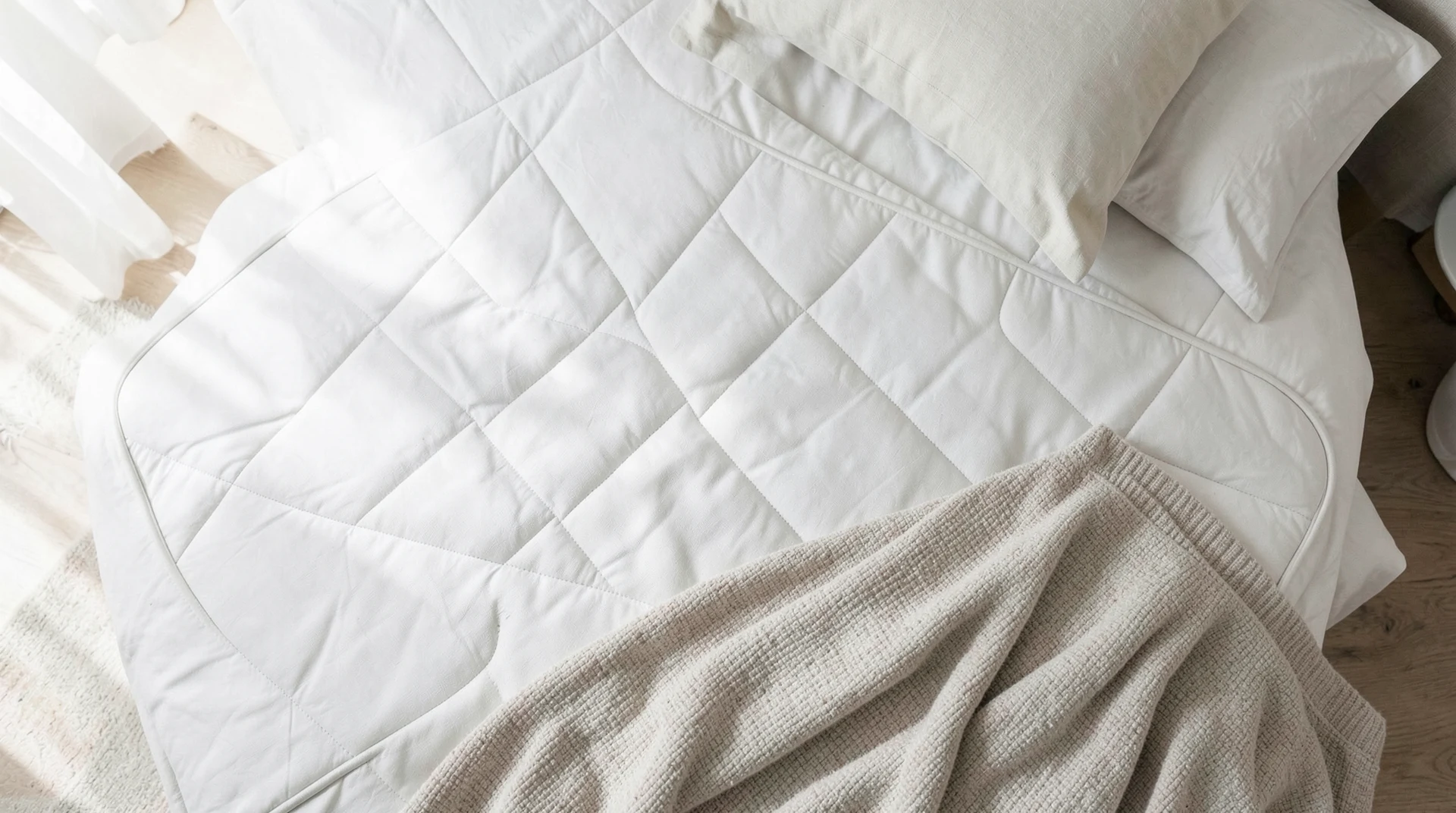
A mattress topper can fill in the sagging area and provide a more comfortable sleeping surface. The topper is placed on top of the mattress and adds an extra layer of cushioning. Memory foam toppers are the most effective for filling in sagging areas. The foam conforms to the shape of the mattress and fills in the dips. Latex toppers are more durable and provide better support. Feather toppers are soft but may not provide enough support for sagging mattresses. The cost of a mattress topper is about $50 to $200, depending on the material and quality. This method is effective for mild to moderate sagging. For severe sagging, a mattress topper may not be enough. The topper can also make the bed feel warmer, which may be an issue for some people.
Method 3: Install a Mattress Support
If the mattress is sagging because the box spring or foundation is worn out, installing a mattress support can fix the problem. A mattress support is a rigid board or panel that is placed between the mattress and the box spring. The support provides a flat, firm surface for the mattress. Plywood or particle board can be used as a mattress support. Cut the board to the size of the mattress. Place the board on top of the box spring and place the mattress on top of the board. The board should be at least 1/2 inch thick for adequate support. The cost of a mattress support is about $10 to $30 for a piece of plywood. This method is most effective for sagging caused by a worn-out box spring. It is less effective for sagging caused by worn-out mattress foam or springs.
Method 4: Replace the Box Spring
If the box spring is causing the mattress to sag, replacing the box spring may fix the problem. Box springs have a lifespan of about 8 to 10 years. If your box spring is older than this, it may be worn out. Inspect the box spring for sagging, broken springs, or damaged wood. If the box spring is damaged, replace it with a new one. The cost of a new box spring is about $100 to $300, depending on the size and quality. A new box spring can extend the life of your mattress by several years. If you’re buying a new box spring, make sure it is the correct size for your mattress. The box spring should be the same size as the mattress. A queen-size mattress requires a queen-size box spring.
Frequently Asked Questions
Can a sagging mattress be fixed?
Yes, in many cases. Rotating the mattress, adding a mattress topper, or installing a mattress support can fix mild to moderate sagging. Severe sagging may require replacing the mattress.
How long does a mattress last?
A typical mattress lasts 7 to 10 years. Memory foam mattresses may last 8 to 12 years. Innerspring mattresses may last 7 to 10 years. Regular rotation and flipping can extend the life of your mattress.
Does a mattress topper help with sagging?
Yes, a mattress topper can fill in the sagging area and provide a more comfortable sleeping surface. Memory foam toppers are the most effective for this purpose.
When should I replace my mattress instead of fixing it?
If the mattress is more than 8 years old and has severe sagging, it’s time to replace it. If the mattress is causing you back pain or disrupting your sleep, replace it. If the mattress has visible damage, replace it.
Written by Mike, home improvement and home comfort specialist. Updated July 2026.
Understanding Why Mattresses Sag
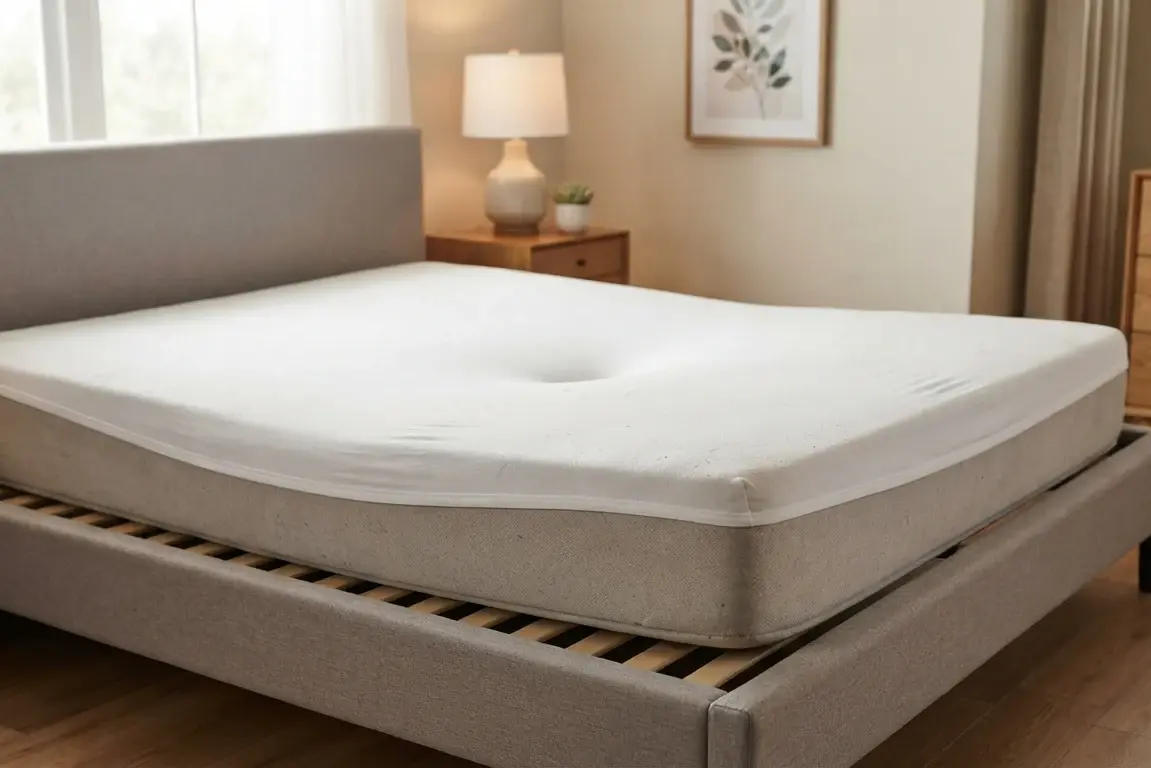
Mattress sagging is caused by the gradual breakdown of the materials inside the mattress. In innerspring mattresses, the springs can lose their tension over time, causing the mattress to sag in areas that bear the most weight. The springs are made of metal and can fatigue over time. The padding layers above the springs can also compress and lose their shape. In memory foam mattresses, the foam can break down and lose its ability to bounce back. Memory foam is sensitive to temperature and humidity, which can accelerate the breakdown process. The foam cells can collapse over time, causing the mattress to sag. In latex mattresses, the latex is more durable than memory foam but can still break down over time. Latex mattresses typically last longer than innerspring or memory foam mattresses. The weight of the sleeper is a factor in mattress sagging. Heavier people put more stress on the mattress, which can cause sagging to occur more quickly. The quality of the mattress is also a factor. Higher quality mattresses use better materials that are more resistant to sagging. The foundation or box spring can also contribute to sagging. If the foundation is not providing adequate support, the mattress may sag even if the mattress itself is in good condition.
How to Prevent Mattress Sagging
Prevention is the best approach to mattress sagging. Use a mattress protector to protect the mattress from spills, stains, and dust mites. The protector also helps maintain the mattress’s shape. Rotate and flip your mattress every 3 to 6 months. This distributes the wear more evenly and prevents sagging in specific areas. Use a proper foundation or box spring. The foundation should provide adequate support for the mattress. A slatted foundation should have slats that are no more than 3 inches apart. Don’t sit on the edge of the mattress. Sitting on the edge can damage the edge support and cause sagging. Don’t jump on the bed. Jumping on the mattress can damage the springs and foam. Keep the mattress clean and dry. Moisture can damage the materials inside the mattress. Vacuum the mattress regularly to remove dust and debris. Air out the mattress periodically to prevent moisture buildup. By following these preventive measures, you can extend the life of your mattress and prevent sagging.
How to Choose a Mattress That Won’t Sag
If you’re buying a new mattress, choose one that is resistant to sagging. Look for a mattress with a high-density foam core or a heavy-gauge spring system. High-density foam is more resistant to compression and sagging. Heavy-gauge springs are more durable and less likely to lose their tension. Consider a latex mattress. Latex is more durable than memory foam and is resistant to sagging. Latex mattresses are more expensive but can last 15 to 20 years. Consider a hybrid mattress. Hybrid mattresses combine foam and springs for better support and durability. The foam provides comfort, and the springs provide support. Look for a mattress with a strong warranty. A mattress with a 10-year warranty or longer is likely to be more durable. Read reviews from other customers to see if the mattress is prone to sagging. Pay attention to the mattress weight. Heavier mattresses are often more durable and resistant to sagging. The weight indicates that the mattress contains more material. The cost of a quality mattress is about $1,000 to $2,000 for a queen size. This is a significant investment, but a quality mattress can last 10 to 15 years.
When to Replace Your Mattress
Knowing when to replace your mattress is important for your sleep quality and health. If your mattress is more than 8 years old and showing signs of wear, it’s time to replace it. If you wake up with back pain or stiffness that improves during the day, your mattress may be the cause. If you can feel the springs or coils through the mattress, it’s time to replace it. If your mattress sags more than 1 inch in the center, it’s time to replace it. If your mattress is causing you to sleep poorly, it’s time to replace it. If you have allergies and your mattress is more than 5 years old, consider replacing it with a hypoallergenic mattress. Mattresses can accumulate dust mites, mold, and other allergens over time. The cost of a new mattress is about $500 to $2,000 for a queen size. This is a significant investment, but quality sleep is essential for your health and well-being. A good mattress can improve your sleep quality, reduce back pain, and improve your overall health.
My Recommendation for Sagging Mattress Repair
Based on my experience, I recommend starting with the simplest and least expensive method. Rotate and flip the mattress first. If that doesn’t help, add a mattress topper. If the sagging is still noticeable, install a mattress support. If none of these methods work, the mattress may need to be replaced. If your mattress is more than 8 years old, replacing it may be the best option. A new mattress will provide better support and comfort than a repaired old mattress. The cost of a new mattress is about $500 to $2,000, which is a reasonable investment for your sleep quality and health.
Tools and Materials for Mattress Repair
For most mattress repair methods, you need minimal tools and materials. For rotating and flipping, you need a helper to assist with moving the mattress. For adding a mattress topper, you need a mattress topper of the appropriate size. For installing a mattress support, you need a piece of plywood or particle board cut to the size of the mattress. The board should be at least 1/2 inch thick. You may also need a saw to cut the board to size. For replacing the box spring, you need a new box spring of the appropriate size. You may also need a screwdriver or drill to assemble the box spring. The total cost of materials for these methods is about $10 to $200, depending on the method. The cost is much less than the cost of a new mattress, which is $500 to $2,000. Having the right tools and materials ready before you start the repair makes the process smoother and prevents unnecessary trips to the hardware store. If you’re not sure which method to use, start with the simplest and least expensive method and work your way up as needed.
Mattress Topper Selection Guide
Choosing the right mattress topper is important for fixing a sagging mattress. Memory foam toppers are the most effective for filling in sagging areas. They conform to the shape of the mattress and provide even support. Memory foam toppers are available in different thicknesses, from 1 inch to 4 inches. A 2-inch topper is usually sufficient for mild to moderate sagging. Latex toppers are more durable and provide better support than memory foam. They are also more breathable and stay cooler than memory foam. Latex toppers are more expensive but can last longer. Feather toppers are soft and comfortable but may not provide enough support for sagging mattresses. They are best used for adding softness rather than fixing sagging. The cost of a mattress topper ranges from $50 to $200, depending on the material and thickness. Memory foam toppers are the most affordable option. Latex toppers are the most expensive. When choosing a mattress topper, consider your sleeping position, body weight, and budget. Side sleepers may prefer a softer topper. Back sleepers may prefer a firmer topper. Heavier individuals may need a thicker topper.
Thank you for reading!