
How to Remove Paint from Plastic: 2 Easy and Effective Methods (2026)
By: John Ledford | Date Posted: July 10, 2026
Table of Contents
- Method 1: Isopropyl Alcohol
- Method 2: Plastic-Safe Paint Remover
- Tools and Materials You Need
- Safety Precautions
- Frequently Asked Questions[+]
- Method 3: Soaking in Soapy Water
- Method 4: Baking Soda Paste
- Method 5: WD-40
- How to Choose the Right Method
- Tips for Best Results
- What Type of Plastic Are You Working With?
- Common Mistakes to Avoid
- My Recommendation[+]
Updated July 2026. Removing paint from plastic requires a different approach than removing paint from wood or metal. Harsh chemical strippers and heat guns that work on other surfaces can melt or damage plastic. The two most effective methods are using isopropyl alcohol and using a specialized plastic-safe paint remover. I’ve used both methods successfully on various plastic items, from automotive parts to household items.
Below I’ll explain both methods in detail, including the tools and materials you need, the step-by-step process, and important safety precautions.
Method 1: Isopropyl Alcohol
Isopropyl alcohol is the safest and most effective method for removing paint from plastic. It works by breaking down the paint without damaging the plastic surface. The higher the concentration of alcohol, the more effective it is. Use 91% or 99% isopropyl alcohol for the best results. Apply the alcohol to a clean cloth and rub the painted area. The paint should start to soften and come off within a few seconds. For stubborn paint, soak a cloth in alcohol and place it on the painted area for 5 to 10 minutes. This allows the alcohol to penetrate the paint and soften it. After soaking, the paint should scrape off easily with a plastic scraper or a soft brush. This method works well for latex paint, acrylic paint, and some spray paints. It may not work as well for epoxy or enamel paints.
Method 2: Plastic-Safe Paint Remover
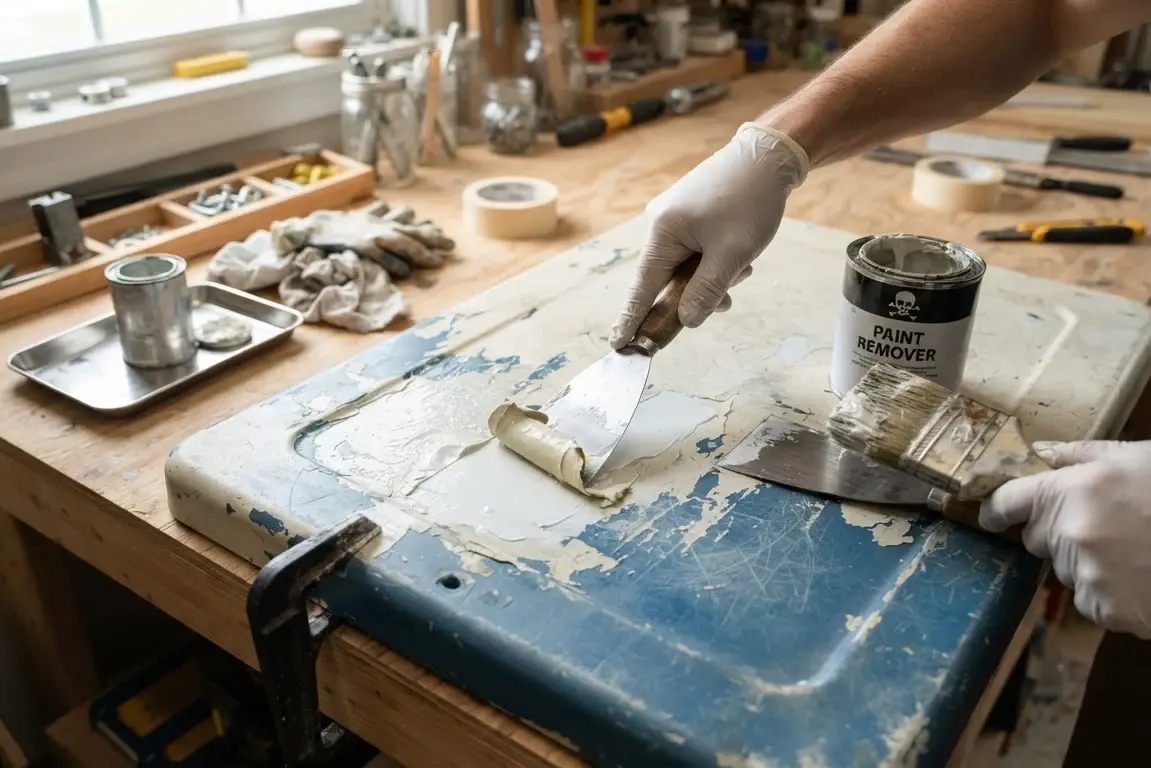
If isopropyl alcohol doesn’t work, use a specialized plastic-safe paint remover. These products are formulated to remove paint without damaging plastic. Look for products that specifically say they are safe for plastic. Apply the remover according to the manufacturer’s instructions. Most removers need to be applied and left on for 5 to 15 minutes. After the remover has softened the paint, scrape it off with a plastic scraper. Avoid using metal scrapers, which can scratch the plastic. After removing the paint, clean the plastic surface with soap and water to remove any residue from the remover. This method works on most types of paint, including epoxy and enamel. The main disadvantage is that the removers contain strong chemicals that can be harmful if inhaled or if they come in contact with skin.
Tools and Materials You Need
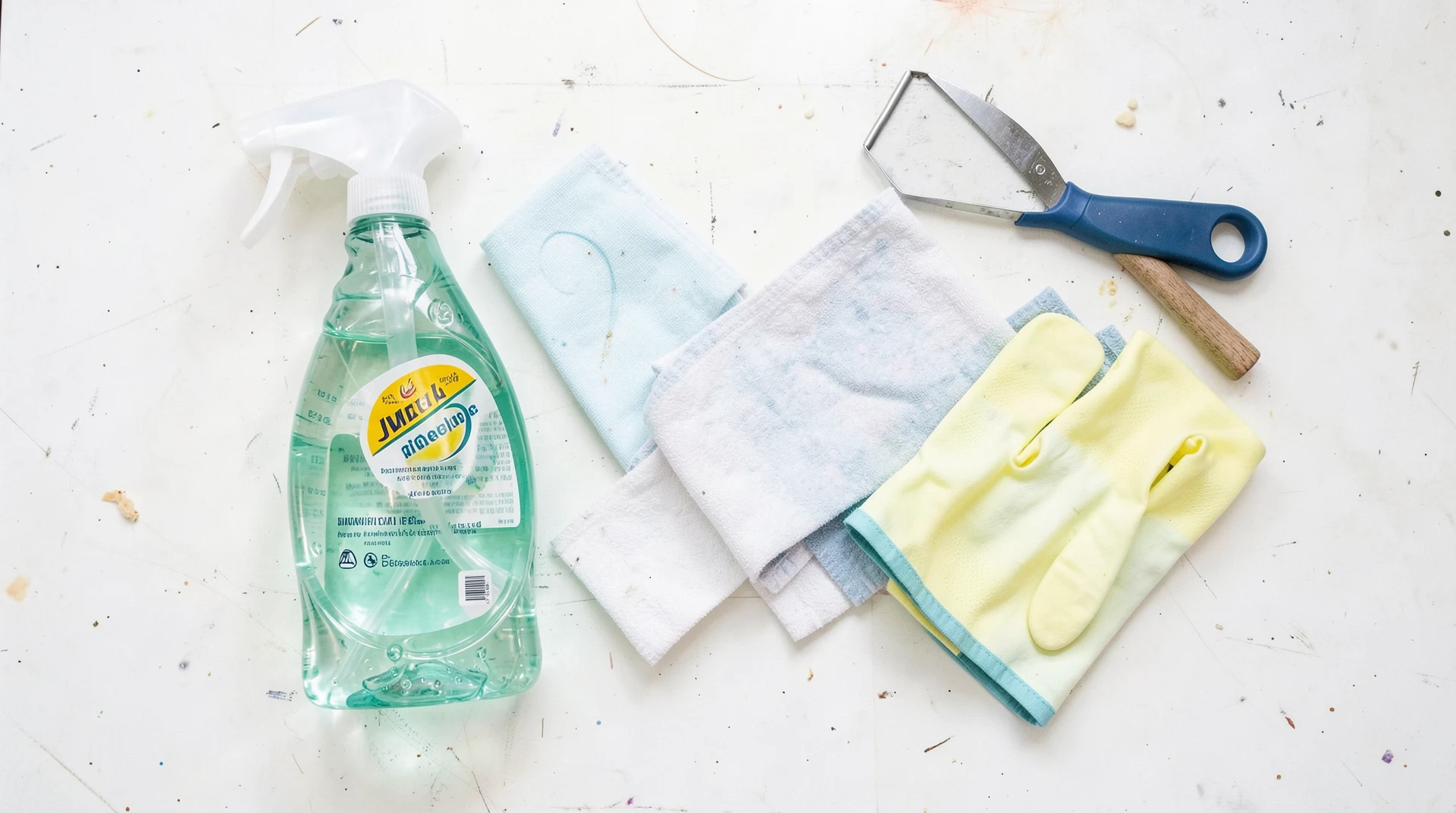
For both methods, you need the following tools and materials. Isopropyl alcohol at 91% or 99% concentration. Clean cloths or paper towels. A plastic scraper or putty knife. A soft brush for scrubbing. Protective gloves to protect your hands from chemicals. Safety glasses to protect your eyes. A well-ventilated workspace. For the plastic-safe paint remover method, you also need the remover product and a paintbrush to apply it. I recommend wearing old clothes that you don’t mind getting paint on. The total cost of materials is about $10 to $20, which is much less than replacing the painted item.
Safety Precautions
When removing paint from plastic, take these safety precautions. Work in a well-ventilated area, especially when using chemical removers. The fumes from chemical removers can be harmful in enclosed spaces. Wear protective gloves to prevent chemicals from contacting your skin. Some paint removers can cause skin irritation or burns. Wear safety glasses to protect your eyes from splashes. Keep chemicals away from children and pets. Dispose of used chemicals and paint residue according to local regulations. Do not pour chemicals down the drain. If you’re unsure about the safety of a particular method, test it on a small, inconspicuous area of the plastic first. This will tell you if the method is safe for your specific plastic type.
Frequently Asked Questions
Can I use acetone to remove paint from plastic?
Acetone can damage many types of plastic, causing it to melt or become cloudy. Do not use acetone on plastic unless you’re certain the plastic is acetone-resistant. Test on a small area first.
Can I use a heat gun to remove paint from plastic?
Heat guns can melt or warp plastic. Use a heat gun only on heat-resistant plastics and keep the heat setting low. A hair dryer on the highest setting is a safer alternative for softening paint on plastic.
Can I sand paint off plastic?
Sanding can remove paint from plastic, but it can also scratch the plastic surface. Use fine-grit sandpaper and sand gently. Wet sanding with water reduces friction and produces a smoother finish.
Does vinegar remove paint from plastic?
Vinegar is not effective for removing paint from plastic. It may work on water-based paints if applied and left for several hours, but isopropyl alcohol is much more effective.
Written by Mike, home improvement and DIY specialist. Updated July 2026.
Method 3: Soaking in Soapy Water
For water-based paints like latex and acrylic, soaking the plastic item in warm soapy water can be an effective method. Fill a container with warm water and add a few drops of dish soap. Submerge the painted plastic item in the water and let it soak for 30 minutes to several hours. The water softens the paint and makes it easier to remove. After soaking, scrub the paint with a soft brush or sponge. The paint should come off in small pieces. If the paint is still stubborn, repeat the process with fresh warm water and a longer soak time. This method is the safest for the plastic and the least toxic. It’s a good first attempt before trying stronger methods. The main disadvantage is that it takes longer than other methods. For small items like plastic toys, handles, or trim pieces, this method works well. For larger items that cannot be submerged, use a wet cloth soaked in warm soapy water and place it on the painted area.
Method 4: Baking Soda Paste
Baking soda mixed with water creates a mild abrasive paste that can remove paint from plastic without damaging the surface. Mix baking soda with enough water to form a thick paste. Apply the paste to the painted area and let it sit for 15 to 30 minutes. Scrub the paste with a soft brush or sponge. The baking soda acts as a gentle abrasive that helps lift the paint from the plastic. Rinse the area with clean water and repeat if necessary. This method is effective for small areas and light paint coverage. It’s also non-toxic and safe for most plastic types. The main limitation is that it requires more scrubbing effort than chemical methods. For best results, combine the baking soda paste with the isopropyl alcohol method. Apply the alcohol first to soften the paint, then use the baking soda paste to scrub it off.
Method 5: WD-40
WD-40 is a surprising but effective paint remover for plastic. The penetrating oils in WD-40 help break down the bond between the paint and the plastic surface. Spray WD-40 directly onto the painted area and let it sit for 10 to 15 minutes. Scrub with a soft brush or cloth. The paint should start to come off. For stubborn spots, apply more WD-40 and let it sit longer. After removing the paint, clean the plastic with soap and water to remove the WD-40 residue. WD-40 is safe for most plastic types, but it can leave a greasy residue that needs to be cleaned off. This method works well for spray paint and some types of enamel paint. The main advantage of WD-40 is that it’s a common household product that most people already have. The main disadvantage is that it’s not as effective as isopropyl alcohol for most types of paint.
How to Choose the Right Method
The best method for removing paint from plastic depends on the type of paint, the type of plastic, and the size of the item. For water-based paints like latex and acrylic, try the warm soapy water method first. For spray paints, try isopropyl alcohol or WD-40. For epoxy and enamel paints, use a plastic-safe paint remover. For heat-resistant plastics, the baking soda paste method is a good option. For small items, soaking in soapy water or alcohol is effective. For large items, apply the remover with a cloth or brush. Always test the method on a small, inconspicuous area first to ensure it doesn’t damage the plastic. If one method doesn’t work, try another. The combination of isopropyl alcohol and the baking soda paste is the most versatile and effective approach for most situations.
Tips for Best Results
Here are some tips for achieving the best results when removing paint from plastic. Work in a well-ventilated area and wear protective gloves and eyewear. Start with the gentlest method and progress to stronger methods only if needed. Be patient and allow the remover time to work. Rushing the process can result in incomplete paint removal or damage to the plastic. Use plastic scrapers instead of metal scrapers to avoid scratching the plastic. After removing the paint, clean the plastic surface thoroughly to remove any residue from the remover. If you plan to repaint the plastic, make sure the surface is clean and dry before applying new paint. Lightly sanding the surface with fine-grit sandpaper can help the new paint adhere better. I’ve used these methods on automotive trim pieces, plastic furniture, toys, and household items. The isopropyl alcohol method has been the most consistently effective across different types of paint and plastic.
What Type of Plastic Are You Working With?
The type of plastic you’re working with affects which paint removal method is safe and effective. Some plastics are more resistant to chemicals than others. ABS plastic, commonly used in automotive parts and electronics, is resistant to alcohol but can be damaged by acetone. Polypropylene, common in household items and containers, is resistant to many chemicals but can be damaged by prolonged exposure to strong solvents. Polycarbonate, used in headlights and safety equipment, is resistant to alcohol but can be damaged by ammonia-based cleaners. PVC, used in pipes and fittings, is resistant to many chemicals but can be damaged by acetone and some paint removers. If you’re not sure what type of plastic you’re working with, test your chosen method on a small, hidden area first. The test will tell you if the method is safe for your specific plastic type. If the plastic becomes cloudy, soft, or discolored during the test, choose a different method.
Common Mistakes to Avoid
Here are common mistakes people make when removing paint from plastic and how to avoid them. Using metal scrapers can scratch the plastic surface. Use plastic scrapers or putty knives instead. Using too much force can damage the plastic. Let the remover do the work and use gentle pressure. Using the wrong chemical can melt or damage the plastic. Always test on a small area first. Rushing the process can result in incomplete paint removal. Allow the remover enough time to work. Not cleaning the surface after paint removal can leave residue that affects the appearance of the plastic. Clean with soap and water after removing the paint. Using heat guns or hair dryers on high heat can warp or melt the plastic. Use low heat and keep the heat source moving. By avoiding these common mistakes, you can successfully remove paint from plastic without damaging the item. The key is to be patient, use the right method for your specific situation, and take proper safety precautions.
My Recommendation
Based on my experience with various paint removal projects, I recommend using isopropyl alcohol as your first attempt for most paint removal jobs on plastic. It’s safe, effective, and inexpensive. If the alcohol doesn’t work, try a plastic-safe paint remover as your second option. For small items, the warm soapy water method is worth trying first because it’s the safest and least toxic. The combination of isopropyl alcohol and a baking soda paste is my go-to method for most situations. The alcohol softens the paint, and the baking soda paste provides gentle abrasion to lift it off. With the right approach, you can remove paint from plastic effectively and safely, restoring your items to their original condition.
Thank you for reading!