
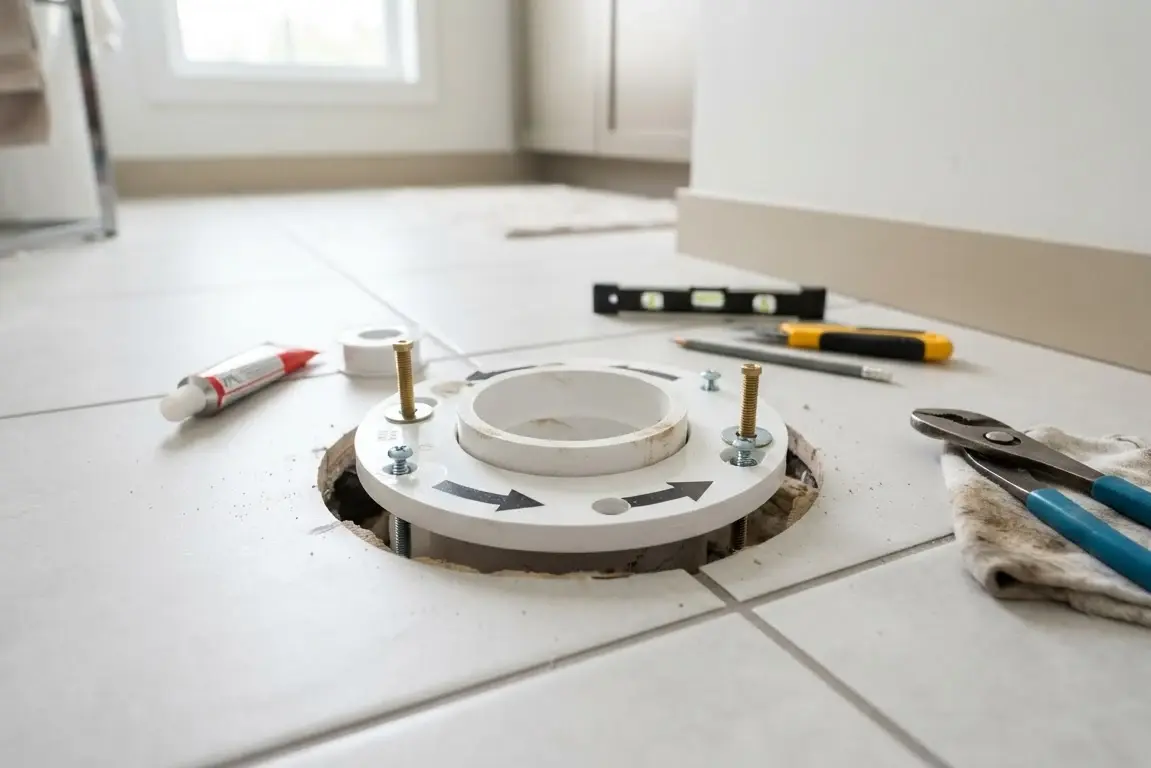
2 Ways on How to Correct Toilet Flange That Is Too High (2026)
By: John Ledford | Date Posted: July 10, 2026
Table of Contents
- Method 1: Using a Flange Extender (for Flanges That Are Too Low)
- Method 2: Replacing the Flange (for Flanges That Are Too High or Too Low)
- Tools and Materials You Need
- How to Determine the Correct Flange Height
- Frequently Asked Questions[+]
- Understanding the Toilet Flange and Its Purpose
- How to Fix a Toilet Flange That Is Too High
- How to Fix a Toilet Flange That Is Too Low
- How to Prevent Toilet Flange Problems
- My Recommendation for Toilet Flange Repair
- Common Toilet Flange Problems and Solutions
- When to Call a Professional Plumber[+]
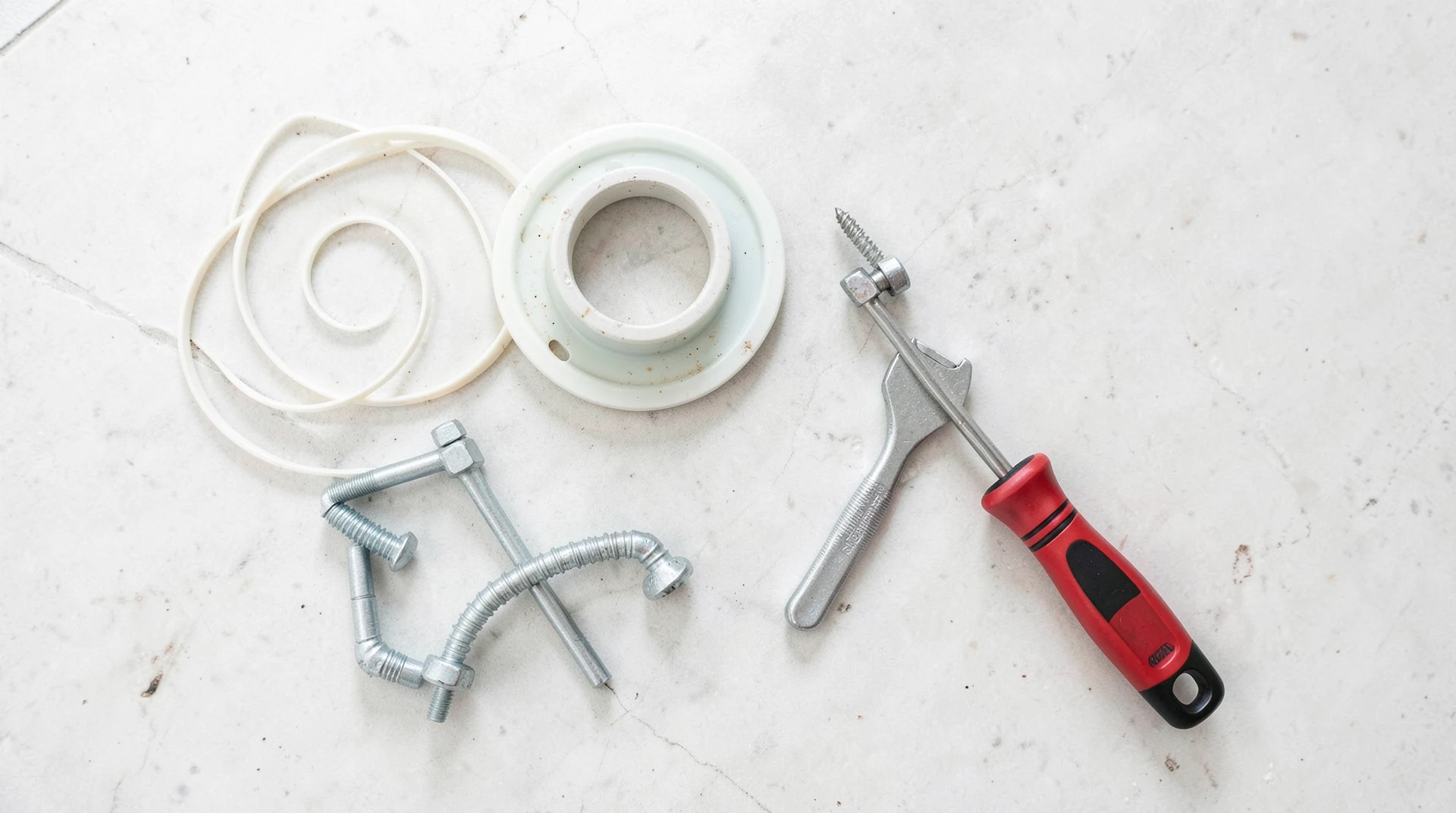
Updated July 2026. A toilet flange that is too high or too low can cause leaks, rocking, and damage to your bathroom floor. The correct height for a toilet flange is flush with the finished floor surface. If the flange is too high, the toilet won’t sit flat. If it’s too low, the wax seal won’t compress properly, causing leaks. I’ve corrected toilet flange height issues in several homes, and the process is straightforward with the right tools.
Below I’ll explain the two main methods for correcting a toilet flange that is too high or too low, including the tools and materials you need and the step-by-step process.
Method 1: Using a Flange Extender (for Flanges That Are Too Low)
If the toilet flange is below the finished floor level, you need to raise it. The easiest way is to use a flange extender kit. These kits include a plastic ring that attaches to the existing flange and raises it to the correct height. Remove the toilet and clean the area around the flange. Install the flange extender according to the manufacturer’s instructions. The extender typically screws onto the existing flange or snaps into place. Make sure the extender is level and secure. Install a new wax seal and reinstall the toilet. The cost of a flange extender kit is about $10 to $20. The installation takes about 30 minutes. This method works for flanges that are up to 1/2 inch below the finished floor level.
Method 2: Replacing the Flange (for Flanges That Are Too High or Too Low)
If the flange is too high or if the flange extender method won’t work, you need to replace the flange. Remove the toilet and the old flange. The old flange may be screwed to the floor or glued to the drain pipe. If the flange is glued to the pipe, you may need to cut it off and install a new one. Install a new flange at the correct height. The flange should be flush with the finished floor surface. Use a level to make sure the flange is level. Secure the flange to the floor with screws or to the pipe with PVC cement. Install a new wax seal and reinstall the toilet. The cost of a new flange is about $10 to $15. The installation takes about 1 to 2 hours. This method is more involved but provides a permanent solution.
Tools and Materials You Need
For both methods, you need the following tools and materials. A new wax seal or wax-free toilet seal. A flange extender kit if you’re using Method 1. A new toilet flange if you’re using Method 2. A screwdriver or drill for removing and installing screws. A putty knife for scraping old wax. A level for checking the flange height. A hacksaw or reciprocating saw if you need to cut the old flange. PVC cement if the new flange needs to be glued. A bucket and towels for cleaning up water. The total cost of materials is about $20 to $40, depending on the method you choose.
How to Determine the Correct Flange Height
The toilet flange should be at the same level as the finished floor surface. If the flange is above the floor, the toilet will rock and may not seal properly. If the flange is below the floor, the wax seal may not compress enough to create a watertight seal. To measure the flange height, place a straightedge across the floor next to the flange. Measure the distance from the top of the flange to the bottom of the straightedge. If the flange is more than 1/4 inch above or below the floor, it needs to be corrected. The ideal flange height is flush with the floor surface plus or minus 1/4 inch. If the flange is within this range, a standard wax seal should work. If the flange is more than 1/4 inch above the floor, use a wax seal with a built-in plastic sleeve that compresses to accommodate the extra height. If the flange is more than 1/4 inch below the floor, use a flange extender or a jumbo wax seal.
Frequently Asked Questions
Can a toilet flange be too high?
Yes, a toilet flange that is too high will prevent the toilet from sitting flat on the floor. This can cause the toilet to rock and may damage the wax seal, leading to leaks.
Can a toilet flange be too low?
Yes, a toilet flange that is too low will not allow the wax seal to compress properly. This can cause leaks and odors. A flange extender or a jumbo wax seal can fix this problem.
How much does it cost to fix a toilet flange height?
The cost is about $10 to $20 for a flange extender kit, or $10 to $15 for a new flange. If you hire a plumber, the cost is about $150 to $300 for labor and materials.
Do I need to replace the wax seal when correcting the flange height?
Yes, you should always replace the wax seal when you remove the toilet. Wax seals are designed for single use and will not seal properly if reused.
Written by Mike, home improvement and plumbing specialist. Updated July 2026.
Understanding the Toilet Flange and Its Purpose
The toilet flange, also known as a closet flange, is a pipe fitting that connects the toilet to the drain pipe. It serves two purposes. It provides a mounting point for the toilet, securing it to the floor. It creates a seal between the toilet and the drain pipe, preventing leaks and odors. The flange is typically made of PVC, ABS, or cast iron. PVC and ABS flanges are common in modern homes. Cast iron flanges are found in older homes. The flange has a slot or opening that accepts the toilet’s outlet horn. The wax seal sits between the flange and the toilet, creating a watertight seal. The flange is secured to the floor with screws or bolts. The flange is connected to the drain pipe using a solvent weld for PVC or ABS, or a compression fit for cast iron. The height of the flange relative to the finished floor is critical for proper sealing. If the flange height is incorrect, the wax seal may not compress properly, causing leaks, odors, and potential water damage to the floor and subfloor.
How to Fix a Toilet Flange That Is Too High
A toilet flange that is too high is less common than a flange that is too low, but it can still cause problems. The toilet will rock on the high flange, which can damage the wax seal and cause leaks. The solution depends on how much the flange needs to be lowered. If the flange is only slightly high, less than 1/4 inch, you can use a wax seal with a built-in plastic sleeve. The sleeve compresses to accommodate the extra height. If the flange is more than 1/4 inch high, you need to lower the flange. This requires removing the toilet and cutting the flange. Use a hacksaw or reciprocating saw to cut the flange down to the correct height. After cutting, smooth the cut edge with sandpaper or a file. Install a new flange if the old one is damaged. Install a new wax seal and reinstall the toilet. If the flange is significantly too high, you may need to replace the entire flange assembly. This involves cutting the drain pipe and installing a new flange at the correct height. This is a more involved repair that may require professional help.
How to Fix a Toilet Flange That Is Too Low
A toilet flange that is too low is a common problem, especially in bathrooms with tile flooring. The tile raises the floor level, leaving the flange below the finished floor surface. The solution is to raise the flange to the correct height. The easiest method is to use a flange extender kit. The kit includes a plastic ring that attaches to the existing flange and raises it to the correct height. Remove the toilet and clean the area around the flange. Install the flange extender according to the manufacturer’s instructions. The extender typically screws onto the existing flange or snaps into place. Make sure the extender is level and secure. Install a new wax seal and reinstall the toilet. If the flange is more than 1/2 inch below the finished floor, you may need to use a jumbo wax seal in addition to the flange extender. The jumbo wax seal is thicker than a standard wax seal and provides extra compression. Another option is to replace the flange with a new one that is installed at the correct height. This requires removing the old flange and installing a new one. This method is more involved but provides a permanent solution.
How to Prevent Toilet Flange Problems
Preventive measures can help avoid toilet flange problems. When installing new flooring in a bathroom, make sure the toilet flange is at the correct height for the new floor. If you’re adding tile or other flooring material that will raise the floor level, use a flange extender to raise the flange. When installing a new toilet, check the flange height before installing the toilet. Use a wax seal that is appropriate for the flange height. Standard wax seals work for flanges that are flush with the floor. Jumbo wax seals work for flanges that are up to 1/2 inch below the floor. Avoid using excessive force when tightening the toilet bolts. Overtightening can crack the flange. Use a torque wrench to tighten the bolts to the manufacturer’s specifications, typically 20 to 30 inch-pounds. Inspect the flange periodically for signs of damage or corrosion. If the flange is damaged, replace it before it causes a leak.
My Recommendation for Toilet Flange Repair
Based on my experience with plumbing repairs, I recommend using a flange extender for flanges that are too low. The extender is easy to install and costs about $10 to $20. For flanges that are too high, the best solution depends on the height difference. If the flange is slightly high, use a wax seal with a plastic sleeve. If the flange is significantly high, cut the flange down to the correct height. If you’re not comfortable working on plumbing, call a professional plumber. The cost of a service call is about $150 to $300, which is reasonable for a repair that can prevent water damage and health issues from sewer gas leaks.
Common Toilet Flange Problems and Solutions
The flange is cracked. A cracked flange can cause leaks and odors. The solution is to replace the flange. If the flange is PVC or ABS, cut it off and glue a new one. If the flange is cast iron, use a repair flange that fits inside the existing pipe. The flange bolts are rusted or broken. The bolts that secure the toilet to the flange can rust and break over time. The solution is to replace the bolts. Use a hacksaw to cut the old bolts if they are stuck. Install new bolts in the flange slots. The flange is not level. An unlevel flange can cause the toilet to rock and the wax seal to leak. The solution is to level the flange by adding shims under the flange or by adjusting the flange height. The flange is loose. A loose flange can move when the toilet is used, breaking the wax seal. The solution is to secure the flange to the floor with additional screws. Use a hammer drill to drill holes in the concrete floor if needed. The flange is the wrong size. Most residential toilets use a 4-inch flange, but some older toilets use a 3-inch flange. The solution is to use a reducing adapter or replace the flange with the correct size.
When to Call a Professional Plumber
While most toilet flange repairs are DIY-friendly, there are situations where you should call a professional. If the flange is significantly damaged or corroded, call a professional. If the drain pipe needs to be cut and replaced, call a professional. If you’re not comfortable working with plumbing, call a professional. The cost of a service call is about $150 to $300, which is reasonable for a repair that can prevent water damage and health issues. If the flange is located in a hard-to-reach area, such as a tight corner or behind a wall, call a professional. If you’ve tried to fix the flange and the problem persists, call a professional. The problem may be more complex than a simple flange height issue, such as a blocked drain pipe or a damaged sewer line. If the toilet is leaking and causing water damage to the ceiling below, call a professional immediately. Water damage can be expensive to repair, and a quick response can prevent further damage.
Thank you for reading!