
Can Your HVAC System Pull Garage Fumes Into Your Living Space?
By: John Ledford | Date Posted: November 23, 2026
Table of Contents
- Attached Garages And Indoor Air Quality
- How HVAC Systems Cause Garage Fumes Entering House
- Signs Of Garage Fumes Entering House
- Does Smoking In The Garage Make The House Smell?
- Gasoline Spill In Garage Smell In House: Causes And Solutions
- Health Risks Of Garage Fumes Entering House
- How To Prevent Garage Fumes Entering House
- Garage Ventilation Vs. Garage Fume Removal System
- When To Call An HVAC Professional About Garage Fumes Entering House
Your HVAC system can unintentionally pull harmful fumes from an attached garage into your living space through air leaks, ductwork, and pressure imbalances. Understanding how these pollutants enter your home, the risks they pose, and how to prevent them can help you protect your indoor air quality.
Attached Garages And Indoor Air Quality
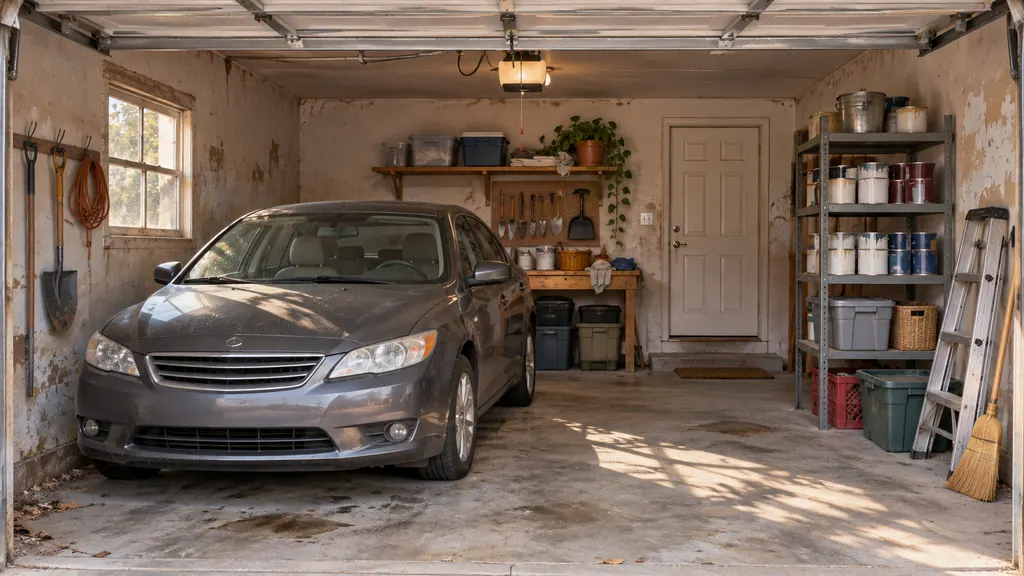
An attached garage can introduce airborne pollutants into your home because the two spaces share walls, ceilings, and sometimes HVAC components. Even with the connecting door closed, air can travel through small cracks, gaps around pipes, electrical openings, and poorly sealed construction joints. That hidden airflow is one reason people report “garage fumes entering house” even when the door appears well sealed.
Vehicle exhaust is a major concern because it can contain carbon monoxide (CO), nitrogen oxides, and fine particulate matter. Gasoline and automotive products can also release volatile organic compounds (VOCs), including benzene, toluene, and xylene. Other potential sources include stored paints, cleaning chemicals, pesticides, solvents, and lawn equipment.
Garage fumes can enter your living space even when no vehicle is running. As a recently driven car cools, residual heat can accelerate the evaporation of fuel-related compounds, a process known as hot-soak emissions. Improperly sealed chemical containers can continuously emit odors.
The amount of pollution entering your home depends on how tightly the garage is sealed off, the concentration of pollutants, and differences in air pressure between the two spaces. Homes with bedrooms directly above garages or HVAC equipment located inside garages may have additional pathways for exposure.
One overlooked factor is the home’s construction. In some houses, the floor joists above the garage extend into adjoining living areas, creating concealed air pathways behind finished walls and ceilings. Temperature differences can intensify the problem. During colder weather, warm indoor air rises and escapes through upper portions of the house, potentially drawing replacement air from the garage through lower-level openings.
Consequently, homeowners may notice chemical odors in upstairs bedrooms even when the garage door connecting to the house remains closed. The problem can originate in concealed framing cavities several feet away from that door.
How HVAC Systems Cause Garage Fumes Entering House
Your HVAC system can draw contaminated garage air into your home through leaking ductwork, poorly sealed air-handling equipment, or pressure imbalances.
When your heating or cooling system operates, its return ducts pull air toward the air handler. If a return duct or air-handler cabinet has gaps and is located in the garage, it can draw in nearby fumes. Those contaminants may then circulate through the supply ducts into bedrooms and other living areas.
Air pressure also plays a role. An unbalanced HVAC system can create lower pressure in certain parts of the house, encouraging garage air to enter through cracks and other openings. Kitchen exhaust fans, bathroom fans, and clothes dryers can contribute to this effect. Supply duct leaks can also contribute to whole-house pressure imbalances, depending on where the ducts are located.
An especially overlooked scenario involves homes with a single central return vent. When bedroom doors are closed, supplied air may have difficulty returning to the air handler. This can cause pressure to build inside those rooms while adjoining areas become depressurized. If the house has openings connecting it to the garage, the resulting pressure imbalance can encourage contaminated air to enter. This is another explanation for “garage fumes entering house” that may be missed when attention focuses only on the connecting door.
These problems sometimes become noticeable after seemingly unrelated improvements, such as installing a more powerful kitchen exhaust hood, upgrading bathroom fans, or making a home more airtight without evaluating its ventilation.
Signs Of Garage Fumes Entering House
Common warning signs include gasoline, exhaust, smoke, or chemical odors appearing inside the house, particularly near the garage entrance, HVAC vents, or rooms above the garage. Some occupants may also experience headaches, dizziness, nausea, or eye and throat irritation that improve after leaving the house.
The timing and location of an odor can provide more useful diagnostic information than its strength alone. Pay attention to whether odors become stronger shortly after someone parks a vehicle, when the heating or cooling system starts, or while a kitchen exhaust fan or clothes dryer is running. A “gasoline smell in house from garage” complaint is especially useful to document right after someone parks.
If odors consistently appear near supply vents while the HVAC blower operates, the ductwork or air handler deserves closer inspection. Smells appearing when the clothes dryer or kitchen range hood operates may indicate that household exhaust equipment is drawing replacement air from the garage. A report such as “gasoline spill in garage smell in house” calls for particular caution because spilled gasoline can create flammable vapors.
Another clue is where the odor first appears. A smell concentrated in a room directly above the garage could indicate leakage through floor framing or utility penetrations. Odors emerging from multiple supply registers may suggest contamination entering the duct system.
If the situation is free of immediate safety hazards, keep a brief record of when the odors occur, which rooms are affected, and what equipment is operating. Avoid deliberately introducing fumes to test the system. This information can help an HVAC technician identify patterns and narrow down the likely pathways. Recording these details can also help establish whether “garage fumes entering house” is linked to HVAC operation or another pressure change.
Remember that carbon monoxide is completely odorless. A gasoline or exhaust smell cannot tell you whether dangerous CO levels are present, and a CO alarm that has not sounded cannot establish that all garage pollutants are absent.
Does Smoking In The Garage Make The House Smell?
Cigarette smoke can travel from an attached garage into the house through small openings around doors, shared walls, electrical outlets, utility penetrations, and ductwork. A closed connecting door reduces direct airflow, although its effectiveness depends on the condition of the weatherstripping and the surrounding air barrier.
Smoke contains extremely small particles and gaseous compounds that can move with air currents. If a bathroom fan, kitchen exhaust hood, or unbalanced HVAC system lowers the home’s air pressure relative to the garage, smoke-contaminated air may be pulled indoors even when the connecting door has effective weatherstripping.
Smoke odors may also enter when someone opens the connecting door. There is also the issue of thirdhand smoke. Tobacco-related chemicals can settle onto garage walls, stored fabrics, clothing, and other surfaces. Some compounds can subsequently be released back into the air or carried indoors on belongings. This helps explain why the odor may persist after smoking has stopped.
A garage exhaust fan or air purifier may reduce some airborne smoke, but ventilation and filtration cannot reliably eliminate secondhand smoke exposure.
The most reliable prevention method is to keep the attached garage smoke-free and designate an outdoor smoking area away from doors, windows, and ventilation intakes.
Gasoline Spill In Garage Smell In House: Causes And Solutions
Gasoline evaporates readily, releasing vapors that can spread throughout an attached garage and enter nearby living spaces through air leaks and pressure-driven airflow. Because gasoline vapors are generally heavier than air, they can also accumulate near the floor or in low-lying areas and spread toward potential ignition sources. The resulting “gasoline smell in house from garage” may be noticeable even when the spill is not visible from the doorway.
A spill does not have to cover a large area to create a noticeable odor. Gasoline can penetrate porous concrete, collect in cracks or floor joints, or soak into cardboard, rags, and other stored materials, allowing vapors to persist after the visible liquid has disappeared. Some homeowners experience recurring odors when warmer temperatures increase evaporation. The description “gasoline spill in garage smell in house” often reflects this lingering odor even after the visible liquid has been cleaned up.
Treat a gasoline spill as a potential fire hazard, especially when the odor is strong or spreading indoors. Keep people away from the affected area and avoid smoking, flames, electrical switches, garage door openers, ordinary fans, or other equipment that could produce a spark. For a substantial spill, strong fumes, or an uncertain situation, leave the building and contact the fire department from a safe location.
A minor, localized spill may be manageable with an appropriate noncombustible, gasoline-compatible absorbent, such as a suitable clay-based spill absorbent, once conditions are safe. Follow local hazardous-waste disposal requirements for contaminated material. Never use a household vacuum or wash gasoline into a floor drain.
If the gasoline smell persists after safe cleanup, have the area evaluated for fuel trapped in concrete, hidden cracks, or other materials.
Health Risks Of Garage Fumes Entering House
Garage fumes can cause both immediate symptoms and longer-term health concerns, depending on the pollutants involved, their concentrations, and how frequently people are exposed. This is why identifying the actual source of an odor is important.
Short-term exposure to gasoline vapors, solvents, and certain exhaust pollutants may cause headaches, dizziness, nausea, fatigue, coughing, and irritation of the eyes, nose, or throat. People with asthma or other respiratory conditions may experience worsening symptoms when exposed to smoke and irritating airborne chemicals. Fine particles and nitrogen dioxide from vehicle exhaust can also aggravate respiratory problems.
Carbon monoxide presents a particularly serious hazard because it interferes with the body’s ability to deliver oxygen to vital organs. Exposure can cause weakness, confusion, vomiting, loss of consciousness, and, at sufficiently high concentrations, death.
Long-term exposure to certain garage pollutants also raises concerns. Benzene, for example, is a known human carcinogen, and prolonged exposure to high concentrations is associated with leukemia. An occasional detectable odor does not establish the level of exposure or an individual’s cancer risk.
Young children, older adults, pregnant individuals, and people with heart or respiratory conditions may be especially vulnerable to certain indoor air pollutants.
A detail homeowners often overlook is that consumer air-quality monitors may report general VOC readings without identifying individual substances such as benzene. Likewise, standard HVAC particle filters cannot capture carbon monoxide. The description “gasoline smell in house from garage” identifies an odor concern, not the concentration of any particular pollutant.
Working CO alarms, proper garage-to-house air sealing, safe chemical storage, and effective ventilation are important safeguards. If exposure is suspected, addressing the pollution source and investigating the airflow pathway are priorities. Significant symptoms or a carbon monoxide alarm require immediate evacuation and emergency assistance.
How To Prevent Garage Fumes Entering House
Preventing garage fumes requires controlling their sources, sealing air pathways, and ensuring ventilation systems maintain appropriate airflow.
Start by reducing the pollutants generated in the garage. Never idle a vehicle in an attached garage, even with the overhead door open. Store fuels and chemicals in tightly closed, approved containers, promptly address leaks, and avoid using the garage for activities that generate unnecessary smoke or hazardous fumes.
Inspect the door connecting the garage and house. It should close securely and have intact weatherstripping and a properly fitted threshold seal. Repair damaged seals and consider an appropriate self-closing mechanism where required. Preserve any required fire-rated separation while making repairs. Improved garage ventilation may also help limit odor buildup, but it cannot replace sealing leaks between the garage and house.
Pay particular attention to hidden openings. Plumbing and electrical penetrations, framing gaps, attic connections, rim joists, and floor cavities beneath rooms above the garage can provide routes for contaminated air. These areas may be concealed by drywall and insulation. A wall that meets fire-separation requirements may still contain air leaks, so use sealing materials suitable for the location and applicable fire-safety requirements.
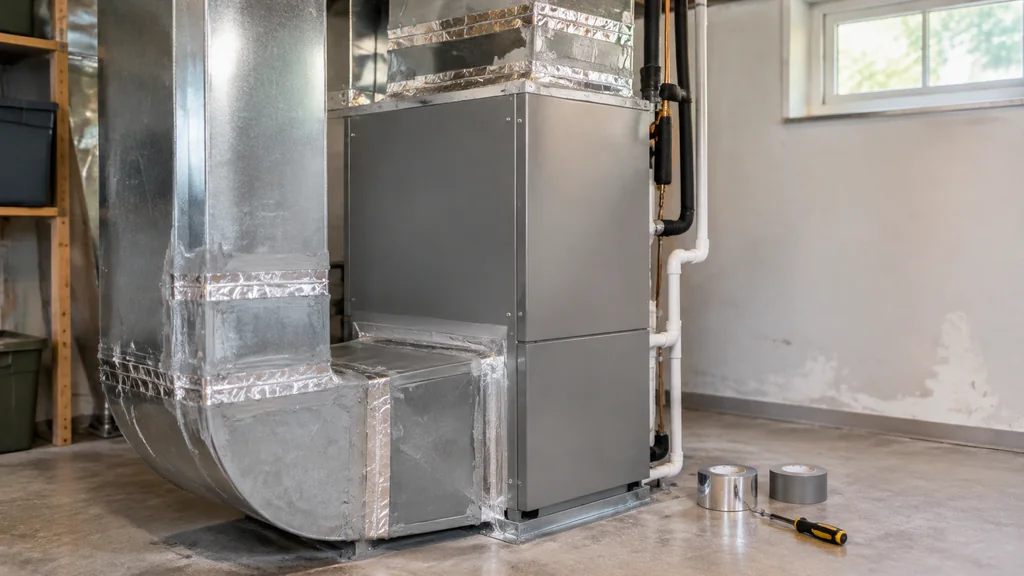
Your HVAC system also needs attention. Have a professional inspect ducts near or inside the garage, seal duct joints with suitable materials such as duct mastic, and verify that the garage has no direct connection to the home’s supply or return air system. Return ducts passing through a garage need careful sealing, and air handlers located there should be appropriately isolated from garage air.
For homes with persistent infiltration, a specialist may recommend garage exhaust ventilation, duct modifications, or balanced whole-house ventilation to reduce the pressure differences driving the problem. In some cases, a garage fume removal system may be considered to exhaust polluted air before it moves indoors.
Finally, be cautious about relying on air purifiers as the solution. Particle filters remove airborne particles, while substantial activated-carbon filters may capture certain gases for a limited time. Neither is a substitute for eliminating contaminated airflow from the garage.
Garage Ventilation Vs. Garage Fume Removal System
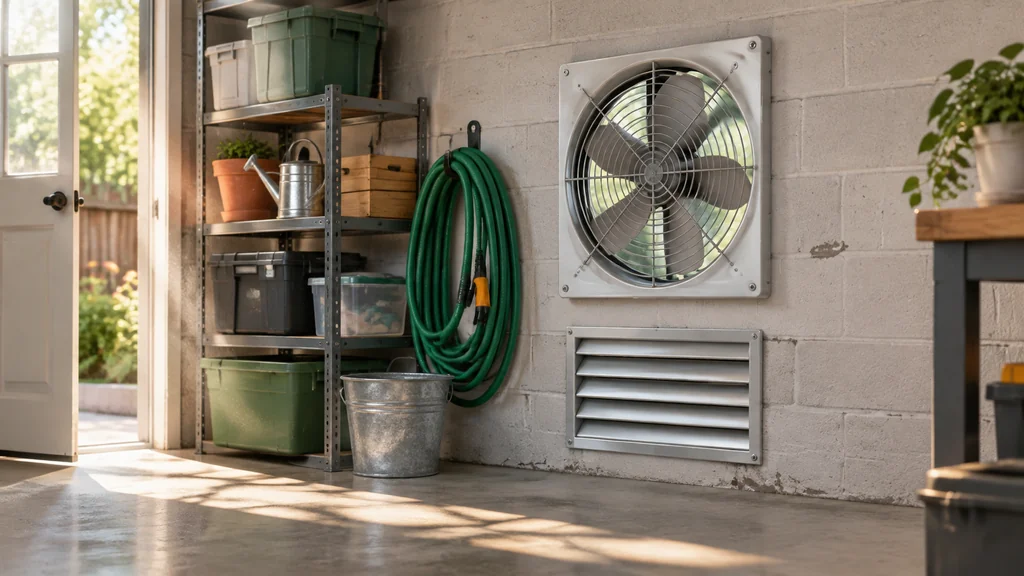
Properly designed garage ventilation can significantly reduce the movement of pollutants into an attached home by exhausting contaminated air outdoors and helping maintain slightly lower air pressure in the garage than in the living space.
Its effectiveness has been demonstrated in residential research. A study involving 33 Ottawa homes found that operating properly configured garage exhaust fans reduced the average indoor benzene concentration attributable to indoor sources, after accounting for outdoor concentrations, by approximately 62%. Carbon monoxide concentrations were also reduced by approximately 23%.
Actual results depend on the garage’s layout, the fan’s capacity, the location of air inlets and exhaust outlets, and how well the garage is separated from the house. Fan specifications alone do not confirm how much air moves through installed ductwork. Effective garage ventilation therefore depends on actual installed performance, not fan ratings alone.
A dedicated garage fume removal system may be worth considering when fumes repeatedly enter living spaces, the garage is used frequently for vehicle maintenance or chemical-related work, or basic air sealing and natural ventilation have proven insufficient.
Such a system typically uses an appropriately sized exhaust fan and ductwork that discharge directly outdoors, away from windows and fresh-air intakes. Professional design should account for outdoor replacement-air pathways, discharge placement, garage size, and the contaminants present. It also helps ensure the fan maintains suitable airflow without creating unwanted pressure problems elsewhere in the building.
The EPA’s Indoor airPLUS Version 2 requirements provide a useful design reference: qualifying attached-garage exhaust systems must deliver at least 100 cubic feet per minute of verified airflow, subject to higher local requirements. Systems must operate continuously or use automatic controls that keep the fan running for at least an hour after the garage is vacated.
Ordinary residential fans may be unsafe around concentrated flammable vapors, and garage exhaust ventilation does not make vehicle idling, large gasoline spills, or hazardous chemical activities safe.
When To Call An HVAC Professional About Garage Fumes Entering House
Schedule an HVAC inspection when gasoline, exhaust, cigarette smoke, or chemical odors repeatedly enter your living space, particularly if the problem becomes more noticeable whenever the heating or air conditioning runs.
Professional investigation is also appropriate when the air handler or ductwork is located in the garage, the problem started after HVAC replacement, duct modifications, weatherization, ventilation upgrades, or other home renovations, or smells return despite repairs to the connecting door. When the original complaint is “gasoline spill in garage smell in house,” any remaining spill hazard should be addressed before routine HVAC diagnostics.
An experienced HVAC technician or home-performance specialist can evaluate airflow and pressure differences between the garage and house. Depending on the situation, they may conduct duct-leakage testing, blower-door testing, pressure measurements, and controlled airflow tracing to identify where unwanted air is entering.
One specific procedure described in U.S. Department of Energy guidance measures the pressure difference across the garage-to-house air barrier while the house is depressurized to 50 pascals relative to outdoors. For the referenced performance test, a separation exceeding 45 pascals indicates a sufficiently tight boundary under the test conditions. Additional testing may be necessary to rule out misleading results.
They should also inspect the air-handler cabinet, duct connections, return-air pathways, and combustion appliances where applicable. A useful inspection should also assess airflow balance and the effects of household exhaust fans. Findings may lead to duct sealing, repairs to the garage-to-house air barrier, equipment isolation, ventilation adjustments, or installation of a garage fume removal system.
Ask the contractor to document findings and repeat relevant measurements after repairs. This creates a verifiable record of improvement and helps avoid spending money on repairs that fail to address the underlying problem. A measurable improvement in garage-to-house air separation provides stronger assurance than odor reduction alone.
Thank you for reading!